 Biofuels Association
Welcome to Biofuels Association
We cover the environmental issues and practical sustainability choices facing Australian households, businesses and communities — without the jargon.
Latest articles
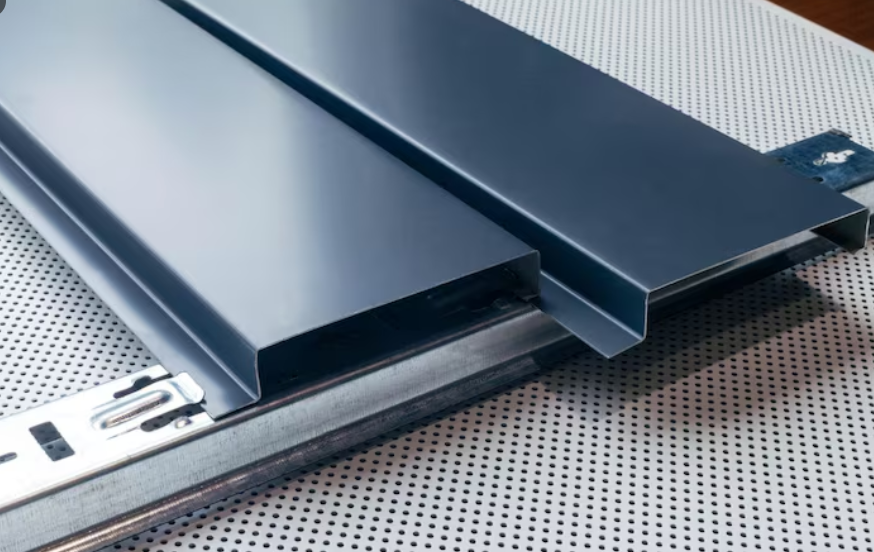
Building the Future with Premium Stainless Steel Sheets in Modern Construction
The Growing Importance of Durable Building Materials In modern construction and manufacturing, the materials chosen for a project play a…
Read article →
German Beer: Brewing Tradition and Regional Variety
Germany has one of the most established brewing traditions in the world. Beer has been produced in the region for centuries, becoming an…
Read article →
Australian Beers: A Look at Local Brewing Culture
Beer has long been part of Australia’s social and cultural landscape. From large commercial breweries to smaller craft producers, the…
Read article →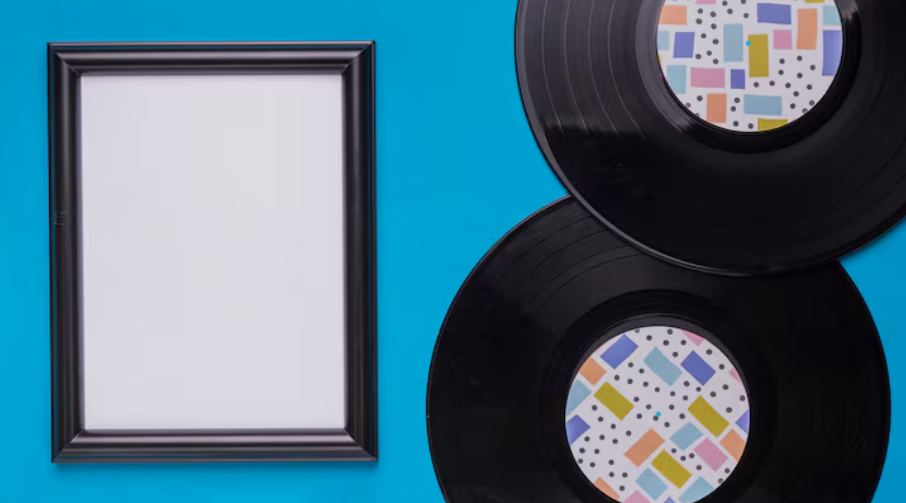
Vinyl Frame: Displaying and Protecting Vinyl Records
Vinyl records have remained popular among music collectors and enthusiasts for decades. While many people value them for their sound…
Read article →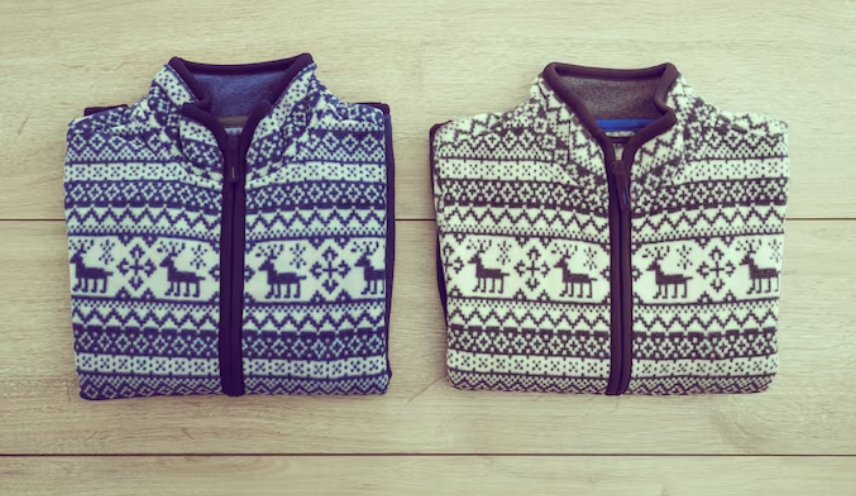
Knitted Vests Australia: A Practical Layer in Modern Fashion
Knitted vests have become a common clothing item in many wardrobes across Australia. Known for their versatility and comfort, these…
Read article →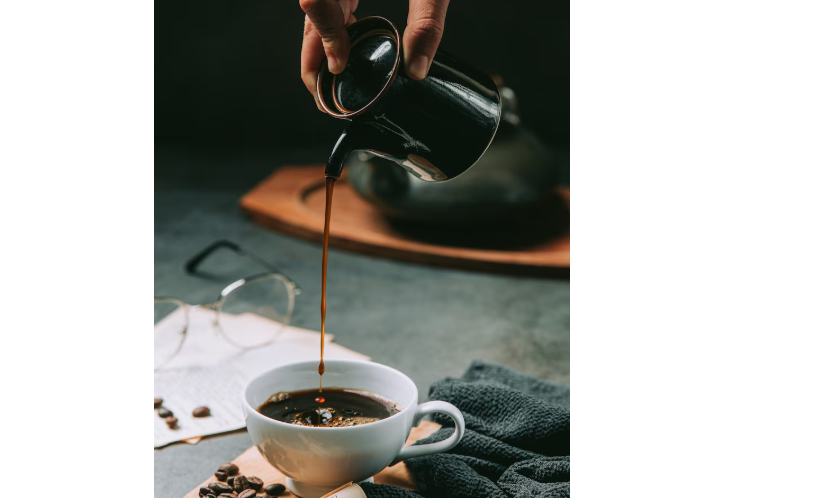
Coffee Subscription: A Convenient Way to Enjoy Fresh Coffee at Home
Coffee remains one of the most widely consumed beverages in the world. For many people, it is part of a daily routine that helps start the…
Read article →Guides & resources
Sustainable Home Cooling for Australian Summers
Practical, energy-smart ways to keep an Australian home cool through summer using shading, ventilation, insulation and efficient cooling choices.
Read guide →Understanding Recycling at Home in Australia
A clear guide to what can and cannot be recycled in Australian kerbside bins, how to prepare materials and how to reduce waste at the source.
Read guide →Energy-Efficient Lighting for Australian Homes
How to choose and use LED lighting to cut household energy use, improve comfort and reduce waste in Australian homes.
Read guide →Sustainable Fashion: A Practical Buying Guide for Australians
How Australian shoppers can make more sustainable clothing choices through better fabrics, care habits, repair and thoughtful disposal.
Read guide →Explore by topic
Beauty Business Education Fashion Finance Health and Fitness Home Lifestyle Updates
Frequently asked questions
- Is solar still worth it for Australian homes?
- For most households, yes. A typical 6.6kW system pays for itself in four to six years, faster with high daytime usage. Compare at least three quotes and check installer accreditation before signing.
- What are the easiest ways to cut household waste?
- Start with a compost or worm farm for food scraps, switch to reusables for the items you bin most, and buy in bulk where practical. Small consistent habits beat occasional big efforts.
- How do I read an energy plan properly?
- Compare the usage rate and daily supply charge against your actual kWh from a recent bill, not the advertised discount percentage. Government comparison sites do this maths for you free.
- What does 'sustainable' actually mean for products?
- Look past the label to certifications, materials, packaging and company practices. A durable product that lasts ten years is usually greener than a 'biodegradable' one replaced annually.
- How can businesses start reducing emissions?
- Measure first — energy bills and fuel receipts cover most of it. Switch to green power, tighten up transport and freight, then tackle supply chain choices. Report progress publicly; it keeps you honest.